[Readmelater]

BehanVox: All Platitudes, No Heat Protections

This week in BehanVox: an investigation on casteism in ASHA work, Pope's encyclical on AI, and more

Subscribe to our weekly newsletter that brings you top stories, gender news from the world, and our team’s reading recommendations.

Hello and welcome to BehanVox! 

As India and much of the world reel under relentless heatwaves, governments remain unprepared — or indifferent — to how extreme heat affects workers, women and the most marginalised. We are left with platitudes about community care, while our reporting continues to show how heat action plans fail those most vulnerable.

At BehanBox this week, we stayed ASHA-heavy — yes, hope, but also the 1 million-strong women-led health workforce at the centre of our feminist historiography project, The ASHA Story.

We published two powerful stories from a six-month investigation into how caste shapes ASHA work in India. We also featured an interview with ASHA worker Punam, adding to our growing archive of personal histories.

Plus, news from around the world and, as always, excellent book and podcast recommendations.

Story So Far

ASHA caste workers

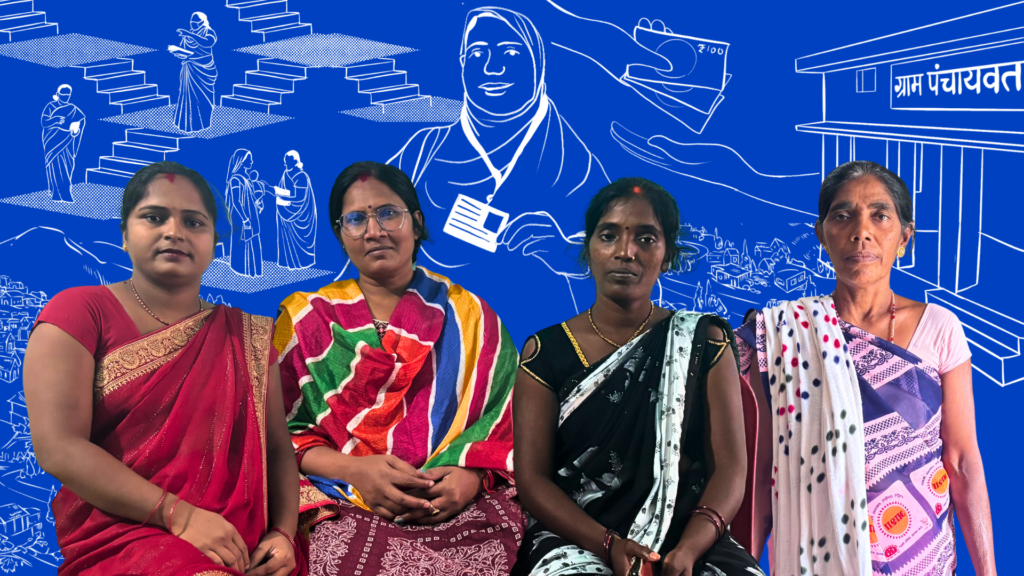
No institution in India exists outside the shadow of caste, and ASHA work is no exception. But anecdotal evidence was inadequate and  we wanted to document exactly how caste shapes the everyday realities of ASHA workers. Over six months, Sarasvati Thuppadolla travelled across Gujarat, Uttar Pradesh and Bihar, speaking to Dalit ASHA workers about caste discrimination on the job. She then designed a detailed questionnaire and surveyed 70 ASHA workers, including 52 Scheduled Caste workers, to begin mapping the scale and patterns of caste-based discrimination within the workforce.

In doing this ‘Care and Caste’ project, we found searing accounts of caste-based discrimination that ranged from overt exclusion and untouchability to more covert, everyday forms of prejudice. It affects everything from relationships to care work, from incentives to leadership and growth opportunities and most importantly their dignity and mental health. 

Our survey threw up significant insights. Around 48% of ASHA workers reported to have been explicitly asked about their caste identity during their initial interactions with the community. At least 44% reported having faced discrimination at least once in their work by village residents, while 7.7% said that they had seen it happen to others even if they did not experience it first hand. Up to 65% of the ASHA workers in our survey said that one’s upper-caste identity, money and local political connections determined their chances of appointment as an ASHA worker. 

Sneha Kumari *, belonging to the Ravidas community, narrates an incident where a Rajput community member asked her if she was an ‘achhoot’ (untouchable), she shot back – “If I cut myself, does my blood say that I am Chamaar and yours Rajput?” 

One reader told us the comment was heartbreaking but it was the fierce pushback that stayed with her.

Read the two-part investigation here and here. Pair this with this first person interview with Dharmishtha Chauhan, who tells us how caste and disability shape her experience with care work.

ASHA interview Punam Mumbai

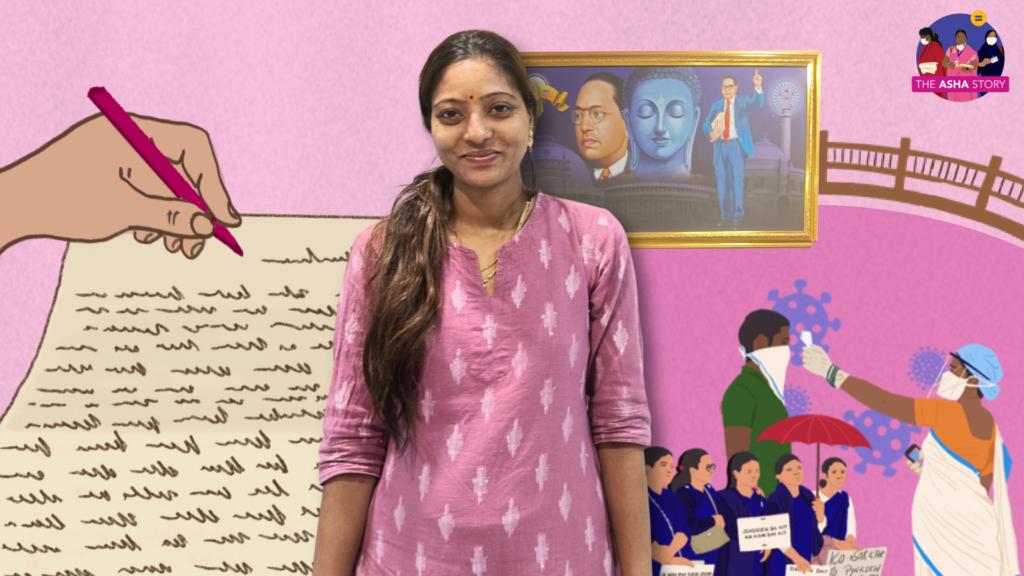
In this month’s The ASHA Story’s oral history project, we feature Punam Amol Ahire, a 34-year-old Dalit ASHA worker from Chembur in Mumbai. This is the first personal history of an urban ASHA worker in our series–one that comes with its own set of challenges.

A part-time domestic worker, her workday stretches 20 hours. During the day, she works in the M-West Ward in Suman Nagar, managing vaccines, vector borne diseases, making sure there are no pools of stagnant water in the area and now, conducting Census work. And she shows up to do this no matter what – extreme heat, and waterlogging, all a part of the city’s extreme weather conditions.

Punam tells us about her hectic work schedule, the many problems it brings, the apathy of the public officials she deals with and the penalties she still pays for being active in a union.

Read the interview here.

Talking Point

SC On SIR: This week, the Supreme Court upheld the Special Intensive Revision (SIR) of electoral rolls as an exercise in furtherance of the Constitutional obligation to conduct free, fair and credible elections. But it also maintained that the EC can examine citizenship status only for the purpose of determining inclusion in the voter list and the deletions do not imply that a person is not a citizen. However, states such as West Bengal and Bihar have already stated that they will deny welfare schemes to those whose names have been deleted during the SIR.

Citizenship And Cash Schemes: About 30 lakh women beneficiaries of Lakshmir Bhandar scheme are ineligible to receive cash transfer schemes, said Chief Minister Suvendu Adhikari this week per reports. The new BJP government conducted a “comprehensive cleansing and verification” of the list based on the SIR, despite evidence that it disproportionately excludes women, to determine eligibility for its Annapurna Yojana that doubles cash incentives from Rs 1,500 to Rs 3,000. While TMC’s Lakshmi Bhandir was universal, BJP’s Yojana requires almost 2.2 crore beneficiaries to prove their eligibility by filling a laborious 11-page form, seeking details of one’s Aadhaar, bank, land documents, and more, reported The Hindu.

Detention Centres: The West Bengal government has opened one detention centre in Murshidabad and is readying another at Malda for ‘illegal immigrants’, primarily Bangladeshi and Rohingya. This comes within two days of the state’s newly sworn in BJP government ordering the setting up of such centres in all districts across the state. Indian Express reports that as per a police official, three people suspected of being illegal immigrants have been brought to the Murshidabad centre. Assam is already running centres like these that have been criticised for their disregard of human rights.

Pope On AI: In a radical move, Pope Leo presented a critical document warning that artificial intelligence needs to be “disarmed”, as per the BBC. “The word is strong, I know, but deliberately chosen because this moment needs words capable of attracting attention,” he said. What he issued is called an ‘encyclicals’ — letters to Catholic bishops that also serve as a papal message to the world. He particularly stressed the use of AI in warfare. Titled, “Magnifica Humanitas (magnificent humanity)”, the document was presented in the presence of AI experts including Christopher Olah, the co-founder of Anthropic.

Now Insta Carry: After eight-minute deliveries, 10-minute domestic worker and other such ideas, yet another start up has found a new way to use cash in on the widespread joblessness affecting the young – an app to book an “assistant” for as little as 30 minutes (for Rs 149) to help with shopping bags in a market or to stand in a queue you cannot be bothered with. CarryMen offers “packages” for up to four hours of work, and is currently offering a discount at Rs 79 for the 30 minute deal. 

Movies At 60: We all loved Paddington, Babe and The Sheep Detectives, but this is a really appalling figure: Hollywood films were also four times more likely to feature a talking animal in the lead role than an older woman, says a campaign by The Age Without Limits. The study also found that just five of the 100 highest-grossing films over the past three years have starred a woman older than 60.

BehanVox Recommends

As you step into the weekend, let us recommend some fun, witty as well some sobering  reading and listening.

An Hour With Deborah Levy: All ye Deborah Levy fans, rejoice! There is a genre-defying new book, where Levy places herself in Paris to author a portrait of the “impossible to write” modernist artist Gertrude Stein. Hear her talk about this time travel, about struggling and creating, and the thrill of artistic friendships.  

The Politics of India’s Air Pollution Measurement:  Politicians in India have long denied – and arguably gaslit the public about – the scale of the air pollution crisis, even as millions breathe toxic air every day. A new investigation by journalist Rishika Pardikar, based on RTI documents around the National Ambient Air Quality Standards (NAAQS), shows how this denial continues to shape and constrain policymaking.

Cities in Fiction: Remember Malgudi? Fictional, yes, but rooted in a particular imagination of place — some would say, a distinctly Brahminical one. A project, Cities in Fiction, by scholars Divya Ravindranath and Apoorva Saini, maps Indian literature through its geographies, asking what our stories reveal and erase about the places we inhabit. It’s a stunning archive, and perfect weekend browsing. You may even find your next read there.

Want to explore more newsletters? In Postcards, we send you missives on the places, people and ideas that brought Team BehanBox joy. Our monthly offering Postscript invites you, the reader, into our newsroom to understand how the stories you read came to be – from ideation to execution. Subscribe for more.

Support BehanBox

We believe everyone deserves equal access to accurate news. Support from our readers enables us to keep our journalism open and free for everyone, all over the world.

Donate Now