Hello and welcome to BehanVox!
After 110 days of war that claimed thousands of lives, disrupted global trade routes, rattled energy markets, and deepened economic uncertainty across regions, the US and Iran have reportedly reached an agreement to cease hostilities and reopen the Strait of Hormuz. The deal has been welcomed by many as a step toward regional stability, given the Strait’s critical role in the movement of oil and goods. Yet even as one crisis appears to ease, other disruptions continue to unfold across the world.
Closer home, India is grappling with an intensifying climate challenge. Severe heatwaves have already strained livelihoods and public health, and the emergence of El Niño conditions threatens to weaken the southwest monsoon – the lifeline of Indian agriculture. The consequences will be felt far beyond farms, affecting incomes, food security, labour markets, and migration patterns across the country.
For millions of workers, climate stress is already reshaping patterns of migration. Drought, extreme heat, agrarian distress, and shifting labour markets are pushing people to move in search of survival and opportunity. Yet, migration does not leave vulnerability behind. Instead, as Dr Malini Ranganathan argues, climate vulnerability often travels with workers across villages, cities, and generations — a phenomenon she describes as ‘circular climate vulnerability’.
At BehanBox, we are delighted to host Dr Ranganathan, geographer and Associate Professor at American University, for a conversation on her groundbreaking research. Drawing on archival records and rich ethnographic accounts, she traces how historical and contemporary forms of climate vulnerability shape labour markets, migration, and political voice. This timely conversation takes place on Thursday, 25 June between 6:30–8:00 PM IST on Zoom. Do sign up here.
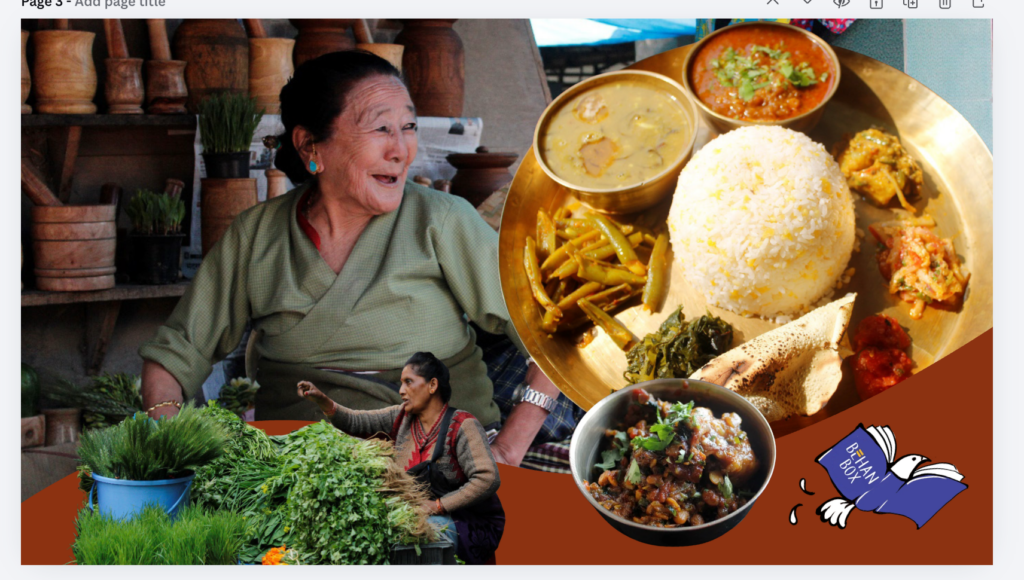
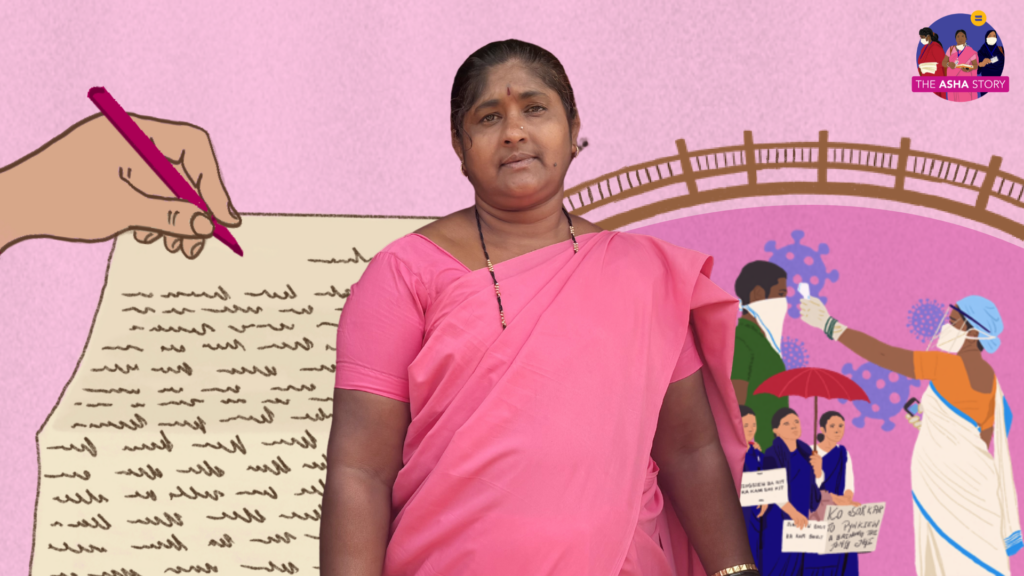
This week, we have a lovely book excerpt on food and memory in Kalimpong and a powerful interview with Sundaravva Patil, an ASHA worker from Gadag in Karnataka.