
Postscript #15: To Tell the Truth, We Had to Protect the Teller
In Postscript, we reflect on the editorial choices we make and abandon. Plus all things behind the scenes. This week: anonymity and reader trust
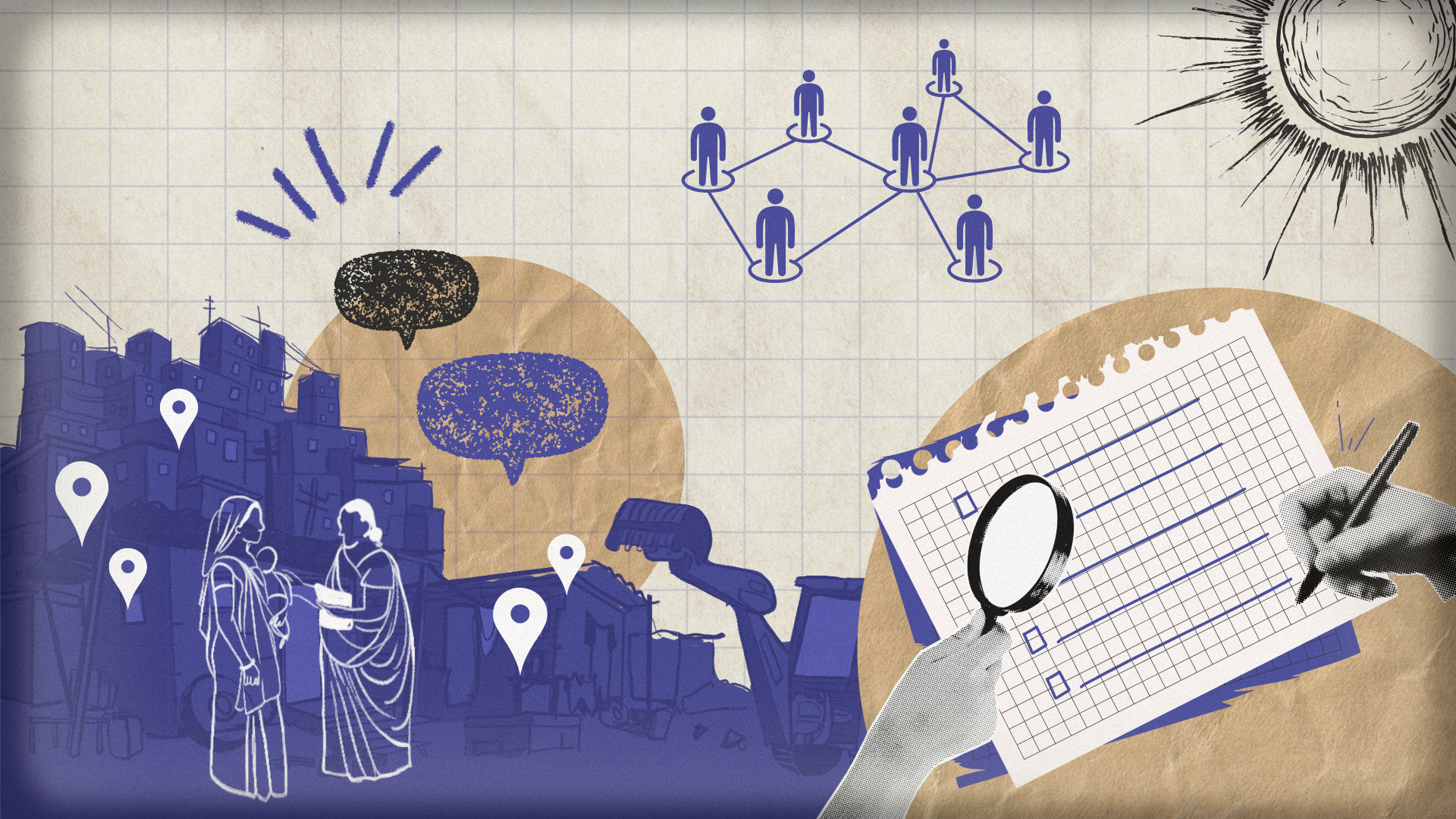
The challenge, however, was unlike any we had encountered before. How do you earn the trust of workers who fear that speaking candidly about their experiences could invite official scrutiny or retaliation? It has taken practice to build this trust through empathy, patience, and accountability. But in Garima’s case, there was only one way she felt she could speak freely: if her story was shared as a first-person account under the protection of anonymity.
That raised an equally important journalistic question. How does a newsroom reconcile publishing an anonymous first-person narrative—especially one by a state functionary—with the principles of transparency, verification and accountability? How do we reconcile the tension between protecting a vulnerable source and our own responsibility to readers?
Anonymity is hardly unusual in journalism. Reported stories routinely rely on unnamed sources when there is a clear public interest and a credible risk of harm. But a fully anonymised first-person narrative presents a different ethical challenge. How do you ask readers to place their trust in a voice whose identity they cannot verify? How do you preserve transparency while shielding the person whose account makes the story possible?
These questions shaped our editorial discussions. Should this remain a reported feature, woven together from anonymous interviews and observations? Or should it become a first-person account that could capture something conventional reporting often cannot—the texture of the work, the emotions in the course of the job, the compulsion to comply, the anger at the conditions, the exhaustion of the routine, and yet, the enduring sense of duty?
We realised that if our goal was to document not just what Census work entails but what it feels like to perform it, a first-person narrative was the most truthful form. That decision demanded a different kind of editorial rigour.
In moments like these, our core values become our compass. One principle is non-negotiable: our primary responsibility is to the communities whose lives and labour we document. In this case, that meant the workers carrying out the Census.
The fact that they were state functionaries did not diminish that responsibility. If anything, it heightened it. Frontline workers occupy a precarious position. They are the face of the state, but rarely its beneficiaries. Time and again, we have seen ASHA workers, Anganwadi workers, teachers and other frontline staff face disciplinary action, criminalisation or intimidation for protesting working conditions, speaking to the media or questioning official decisions.
Our duty of care, therefore, was clear. Protecting Garima’s identity was not an exception to our editorial values but an expression of them. Once we returned to that first principle—our commitment to the people we report on rather than the institutions they serve—the choice was clear.
The harder task was ensuring that, while protecting Garima’s identity, we upheld the same standards of verification, transparency and accountability that readers rightly expect of our journalism.
Some details were easy to corroborate — the nature and duration of training, work load, range of tasks. She sent us a picture of the maps of her area, which we chose not to publish for it gives away her location and identity. The details we could not confirm externally — through media reports, official documents, local sources — we did not publish. Consent was key to the conversation. Garima’s primary language is Marathi but she could converse in Hindi, so her niece facilitated the coordination before the interview and during the chat to ensure Garima felt comfortable, was aware of the risks, and nothing got lost in translation. We remained transparent about our lens of inquiry and how we planned to carry forward her testimony. Her niece also helped gauge her comfort and discomfort at different levels. It wasn’t easy for Garima. We hope, then and now, that it is the first step in building an intentional space where consent and public interest are the guiding forces to bring out crucial stories about people’s labour, longings, and lives.
Here is Garima’s account of her Census work as part of our Census Nama series. If you know any Census enumerator who is willing to share their experience of labour, please write to us at editor@behanbox.com.

That’s all for this month’s Postscript, Behans. Our eyes, ears, hearts, and inboxes are always open for your thoughts. Write to us at editor@behanbox.com.

We believe everyone deserves equal access to accurate news. Support from our readers enables us to keep our journalism open and free for everyone, all over the world.
