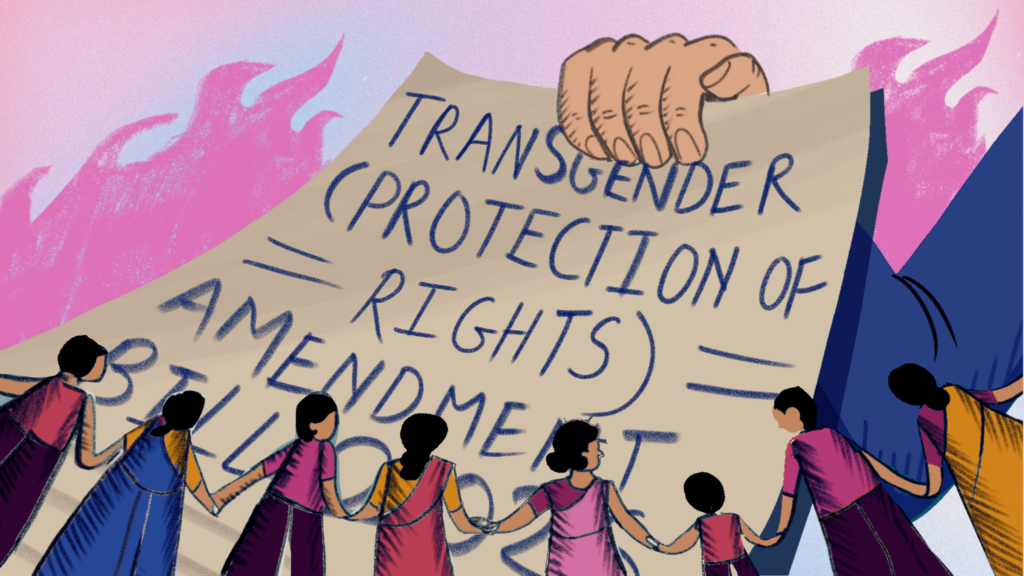
The blow came out of nowhere. A little over a week ago, the Transgender Persons (Protection of Rights) Amendment Bill, 2026, was introduced in the Lok Sabha, leaving the transgender and LGBTQI+ communities stunned. It redefined how the State will see the transgender individuals and its rights, posing what amounts to an existential threat to an entire community. And given the speed with which Bills have been railroaded into law in the recent past — with little or no consultation with those who they impact or even the opposition — the panic and anxiety it has generated is understandable.
The Bill could upend years of progress in the field of trans rights, especially the
Transgender Persons (Protection of Rights) Act, 2019, Act – to which it is an amendment – and before that the landmark NALSA judgement. The 2019 Act recognised the fact that gender identity may or may not align with the sex assigned at birth, prohibited discrimination against transgender persons in education, employment, healthcare, housing and so on and also ensured an individual’s right to self-identify their gender. It was not the most perfect of laws and there was disappointment that it asked for a District Magistrate’s stamp of approval on an application for an identity certificate to confirm and also did not consider demands for reservation.
But the Bill pretty much undoes even the critical gains the last law made. It seeks to remove the very fundamental provision of self identification. Mridula Chari, an independent non-binary journalist, writes for Behanbox a strongly argued personal essay on why the bill will put a question mark on the very existence of the trans community.
“The proposed amendment to the Transgender Persons (Protection of Rights) Act, 2019, would have me believe that I do not exist. This is laughable, considering how long I spent looking for myself, despite a rich, expansive trans world existing right beside me. The care I took to be beyond certain that I was indeed what I wanted to claim that I was took years. What could have changed had acceptance been the norm instead of the stigma and silence that hid the vibrant voices of the trans community?” they write.
Mridula writes about the alarming implications of the Bill – the misguided conflation of intersex identities with transgender identities, the retrospective legal erasure of trans men and the trans women who do not belong to “traditional” communities, non-binary people, and any other self-determined gender identity. It also presumes that nobody can be transgender without being coerced into medical procedures while adding even more layers of bureaucracy to the process of legal and medical transition.
What is even more hurtful is that the Bill will effectively kill the vital support systems for transgender people, says Mridula. “I would not have come out had I not had my hand held metaphorically by the dozens of trans people I followed online. When I found words for my identity, I began to look for myself everywhere. I devoured anything written by trans men, from PhD dissertations to memoirs. I spent hours looking up queer magazines for first-person essays. When I did come out, I realised that my straight, cis world did not contain the expansiveness and acceptance that I would find in my mid-30s, when I was embraced by my queer community, largely 20-somethings, in Mumbai,” Mridula writes.
Read the story here.