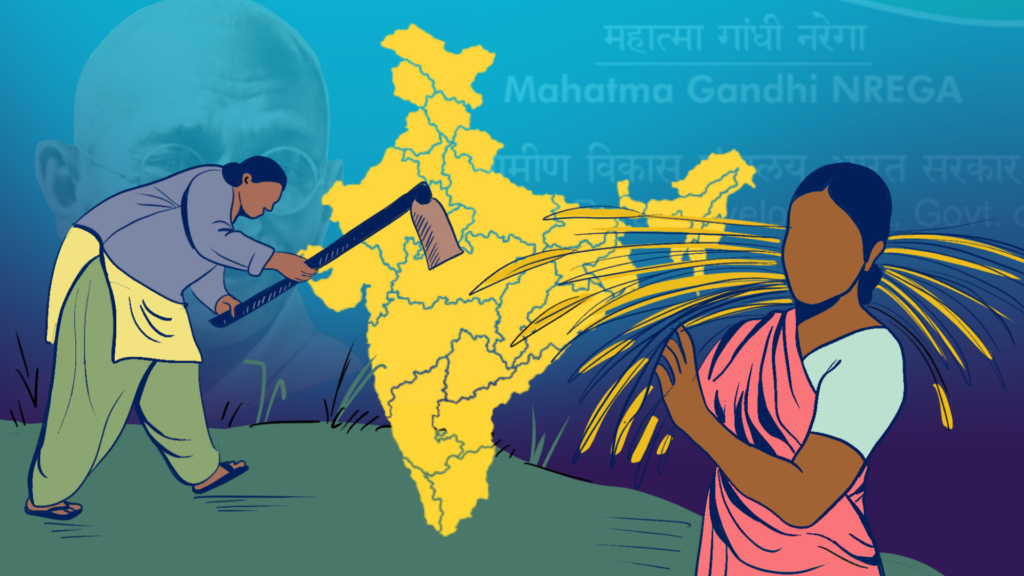
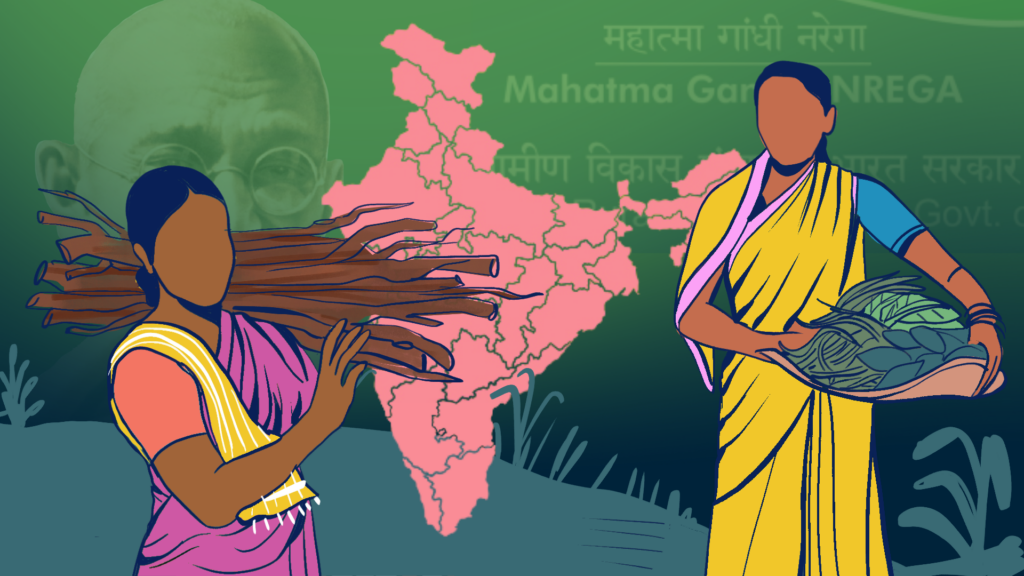
In an interview with BehanBox soon after the passing of the hurried VB-GRAMG Act that upended the 20-year-old MGNREGA and that too with no consultation process, economist Dipa Sinha had explained the perils of centralisation and funding constraints. Especially problematic, she had pointed out, was the shift away from making the livelihood guarantee a citizen’s right.
“It is important that a job guarantee scheme be driven by demand — because it’s a right and not some largesse of the State. And all these benefits of floor wages, restricting migration, and more are realised if work is available when people need it. So it’s also about shifting power within the labour market, giving the worker a say over where they’ll work and for how much, because currently the power is tilted towards the employer,” she said.
The increased fiscal burden on states, and the centralisation of digital technologies were other problems.
These issues were further reiterated this week in an analysis for BehanBox by researchers with the women farmers and workers collective, MAKAAM and the Feminist Policy Collective. It pointed to the impact of the change on women’s employment, economic security, and agency, leaving them especially vulnerable. Around 77–80% of rural women workers in India are engaged in agriculture, largely as unpaid family labour, self-employed cultivators, sharecroppers, or casual agricultural labourers. Despite their central role, they earn 20–30% less than men on average, and over 75% have little or no independent cash income.
More even than employment, MGNREGS offered women the opportunity to be critical instruments of economic citizenship and an alternative to exploitative agricultural labour markets. It gave them negotiating power in an unequal job market, combined paid work with care work and provided food security.
It was a transformative scheme because it decentralised planning through Gram Sabhas and Gram Panchayats. Women were not only workers but also participants in deciding what kinds of assets would be created—water harvesting structures, land development works, soil conservation, village roads, and common property resources. These works directly supported women’s agricultural livelihoods and contributed to climate resilience.
All of these features will be hit hard by the centralised, budget-capped normative approach of the new Act, the researchers argue.
Read the analysis here.