
Postscript #11: ASHA Work And The Moral Language Of ‘Seva’
In Postscript, we reflect on the editorial choices we make and abandon. Plus all things behind the scenes. This week: an excerpt on women's unfree labour
Subscribe to our monthly newsletter with all things behind the scenes.
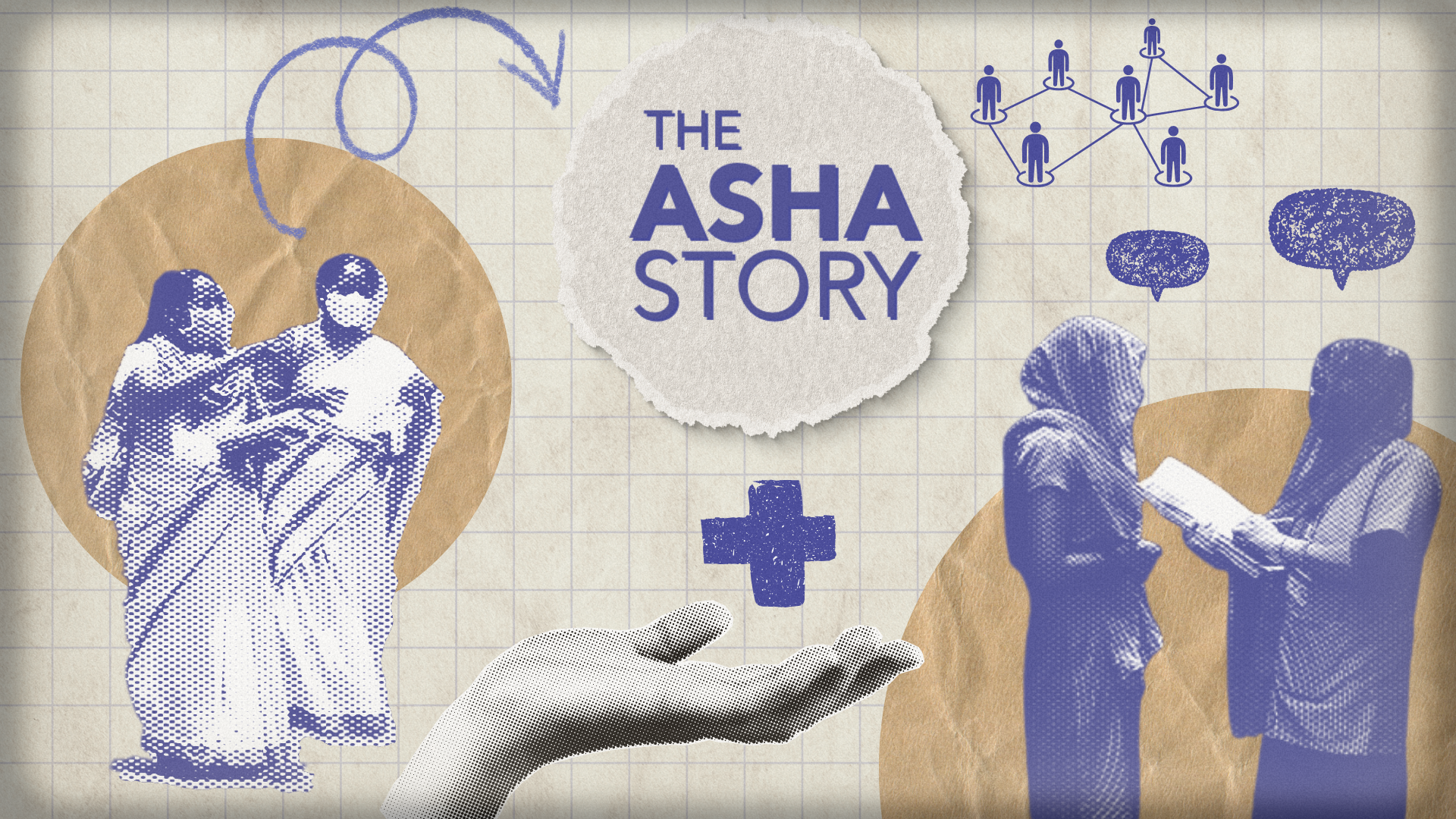
In this week’s Postscript, we’re sharing an excerpt from a talk our founder Bhanupriya Rao gave at Oxford University, as part of the South Asia-Africa seminar series, about care work and women’s unfree labour in India. Framed as devotion or ‘seva’ to community, ASHA work becomes a tool for extracting women’s labour without calling it a job.

Editor’s note: This is why at BehanBox, we frame ASHA work and indeed any form of care work in the public sphere as ‘unfree labour’ – a term that makes visible the skill, the emotional weight and structural extraction that ‘voluntary work’ and ‘seva’ obscure. This framing lets us advance the demand for care work to be recognised as real, valued labour.
These insights have been framed by BehanBox’s extensive reporting, shaped collectively by our reporters, editors, visual artists, union leaders and, most crucially, ASHA workers themselves. This collective work is built on trust rather than extraction in the hope that these histories are written, voices heard and systems corrected. We are looking to build upon these stories as part of our ASHA archive. Write to us with your questions, comments, and suggestions at contact@behanbox.com.
That’s all for this month’s Postscript, Behans. Our eyes, ears, hearts, and inboxes are always open for your thoughts. Write to us or comment below.




We believe everyone deserves equal access to accurate news. Support from our readers enables us to keep our journalism open and free for everyone, all over the world.
